Context
What is the situation? What do you want to achieve? Give AI the background it needs to understand your world. A prompt without context is a shot in the dark.

This page was translated from Dutch with AI.
Working smarter with AI
Practical AI techniques that actually work: the CRAFTER prompt framework, automating workflows with AI agents and a different perspective on your work.
AI does not make you faster at the wrong things. The professionals who get real value from AI are not the ones with the most tools. They are the ones with a system to look at their work differently.
That system starts with a question most people skip: which parts of my work need my judgement, and which can AI take over? If you make that distinction well, everything changes. You stop asking AI random questions and start building workflows that handle complete processes.
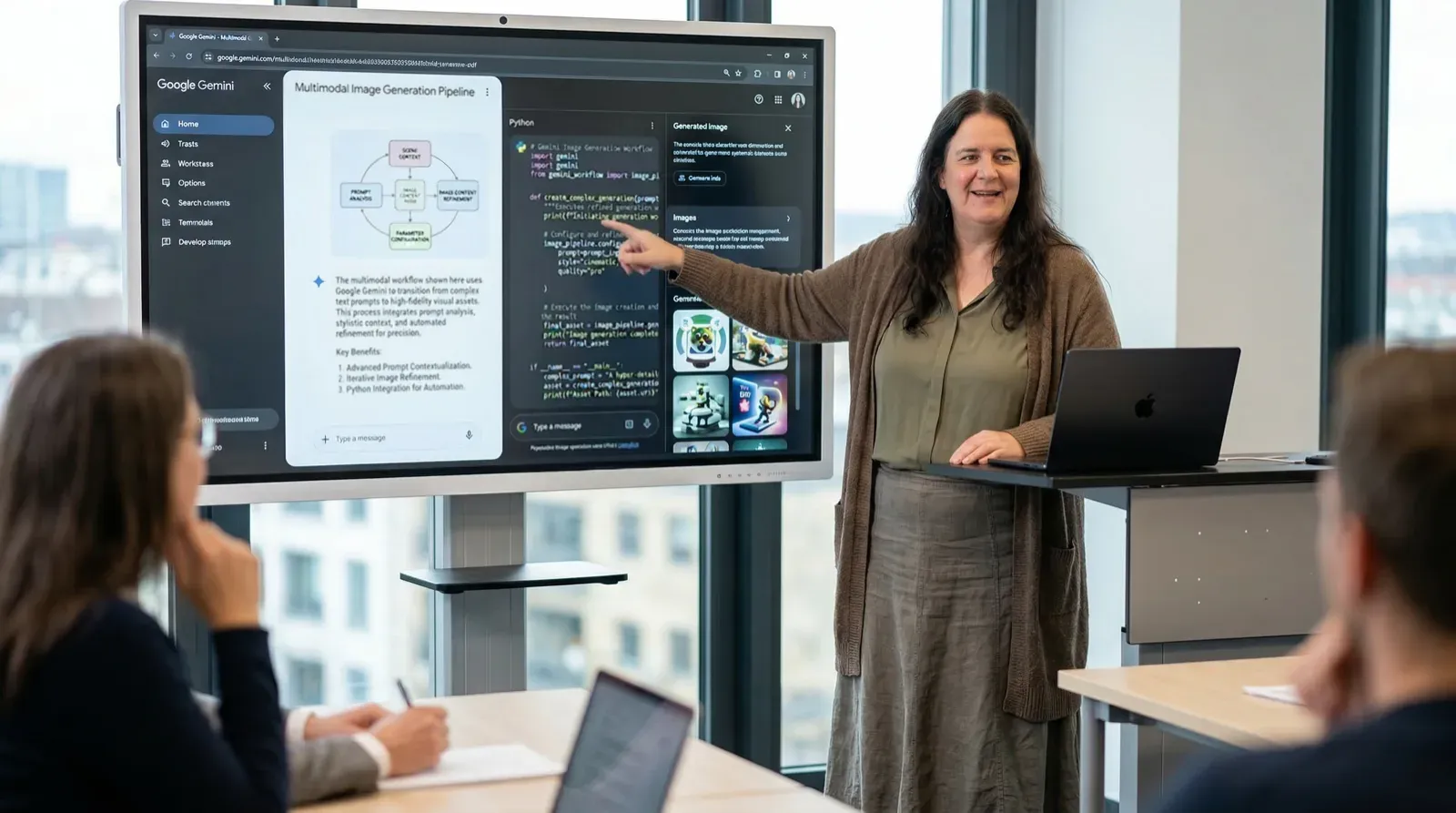
The CRAFTER framework is a structured way to brief AI, turning vague prompts into reliable, repeatable results. It is the difference between getting lucky once and getting consistent quality every time.
What is the situation? What do you want to achieve? Give AI the background it needs to understand your world. A prompt without context is a shot in the dark.
What expertise should the AI bring? "Act as a senior HR consultant with experience in Belgian employment law" delivers fundamentally different output than "help me write an email."
What exactly should it do? Be precise. "Analyse this data and find the three most important trends" always beats "take a look at this."
What should the result look like? A list, a story, a table, a one-page summary? The format guides the thinking.
Who is it for? Writing for the board requires different language than writing for a technical team. Tell AI who is reading along.
Show what good looks like. One concrete example teaches AI more than a whole paragraph of instructions.
Build in feedback loops. "Ask me three questions after your first draft to improve accuracy." The best results come from adjusting, not from perfection on the first try.
There is a shift happening that most people have not realised yet. We are moving from asking AI questions to directing AI workflows.
A chatbot waits for your input and gives you an answer. An AI agent gets a goal, breaks it down into steps, uses tools and delivers a result. The difference is like the difference between asking someone for directions and hiring a driver who knows the route.
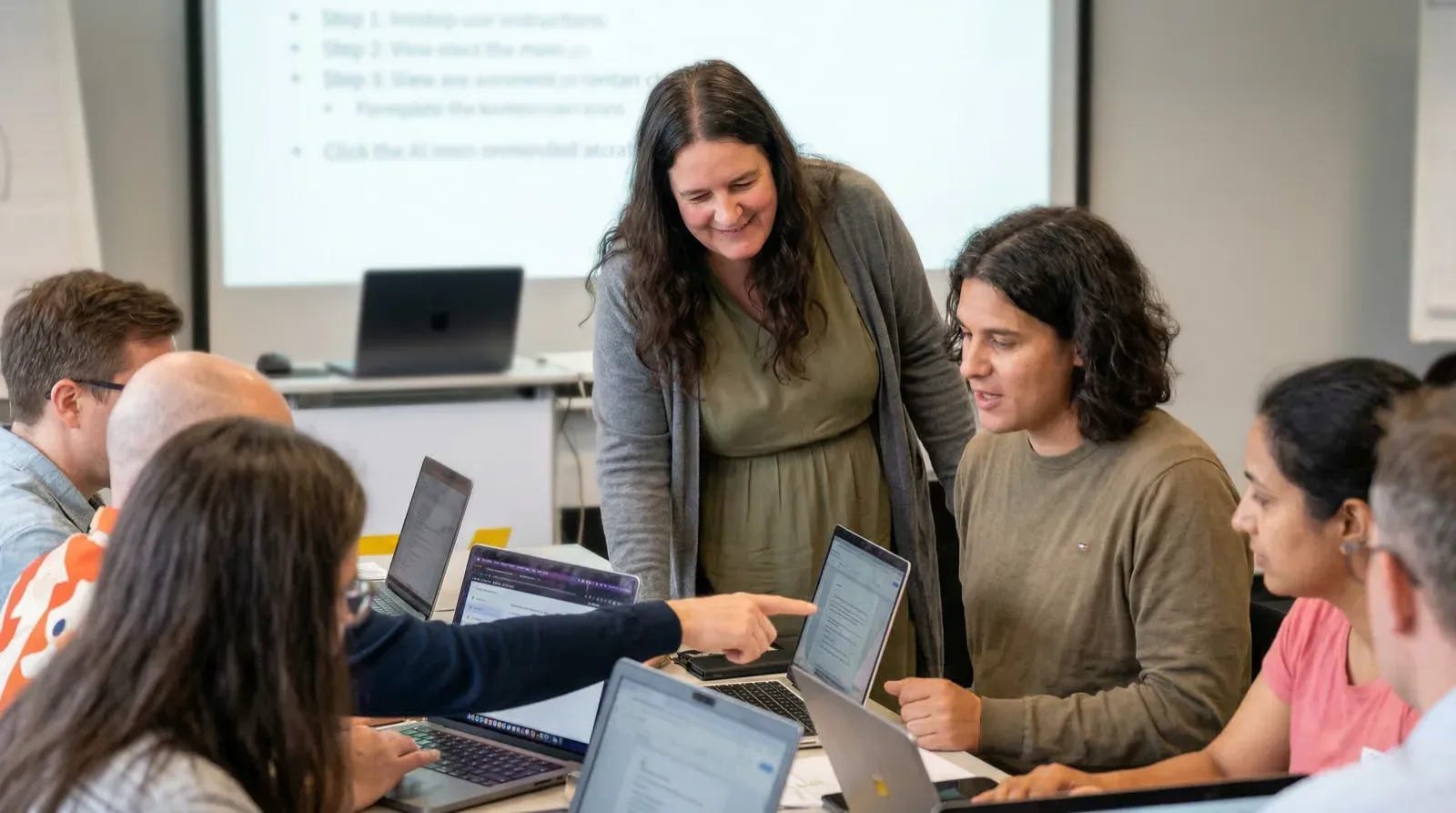
In Finally, Superpowers! I call this "the team in your laptop." One person with the right agent setup can handle research, analysis, writing, formatting and distribution: work that used to require a team of five and a week of back-and-forth.
But here is the part nobody talks about: whoever directs those agents must think clearly about what matters. Agents amplify your intentions. If your intentions are fragmented, your agents will be too.
Prompt engineering: not just writing better prompts, but building a system for consistent results. The CRAFTER framework, superprompts and quality rubrics that make AI output reliable enough to trust.
Workflow automation: using platforms like n8n to connect AI to the tools you already have. Processing emails, content pipelines, data analysis, customer communication: automated, with AI in the loop where it adds value.
Creating content with AI: from first draft to final version, with AI as a writing partner that handles structure and research, while you bring your voice, your judgement and your expertise.
Model Context Protocol (MCP): connecting AI directly to your databases, documents and business tools. This is where AI stops being a separate application and becomes a part of how you work.

There is a pattern I see in almost every team I work with. Someone discovers a new AI tool, gets excited, uses it for a week and then forgets about it. Three months later, that person discovers another tool. Same cycle.
The problem is not the tools. The problem is that nobody paused to ask the question: what do I actually want to achieve, and what does a good workflow look like?
I call this the AI Tool Trap. The solution is not fewer tools or more tools. It is stepping back far enough to see the system. In my workshops we call that moment the Sacred Pause: the discipline to think first and only then automate.
Hi! I'm this site's assistant. Ask me anything about the work, the books or how to work together.
Answers are AI-generated from this site and may contain mistakes.